01
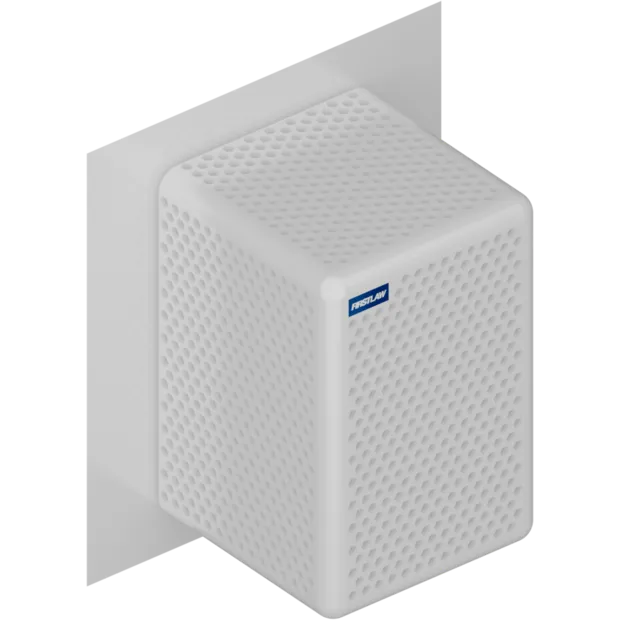
OUTDOOR UNIT
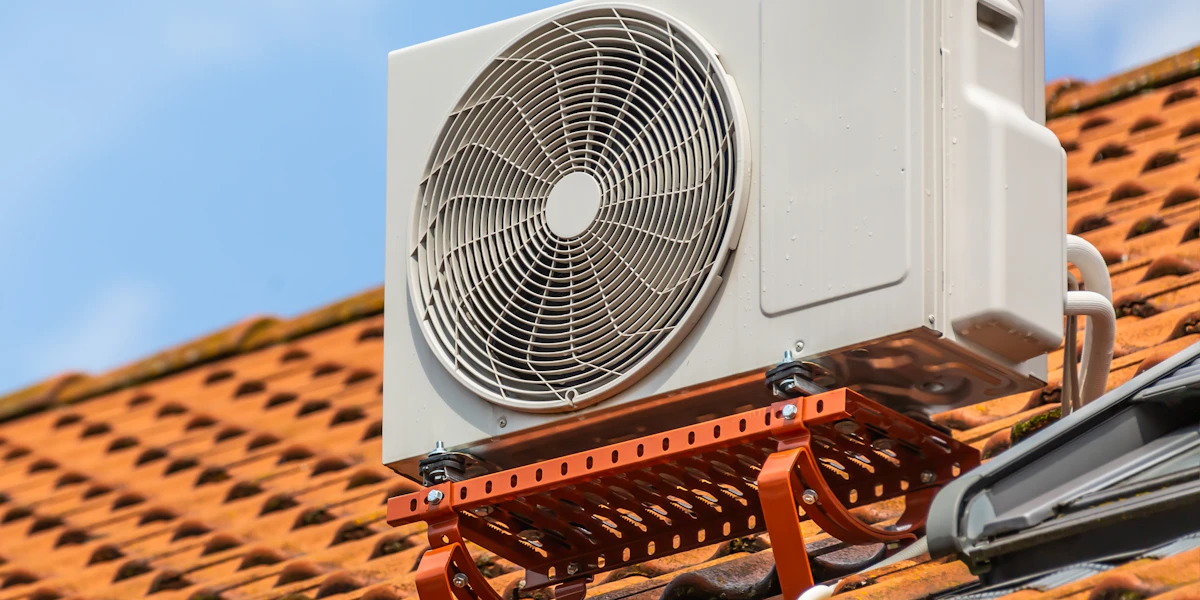
The heat pump, with an EVI scroll compressor. It pulls heat from outdoor air down to −30°C.
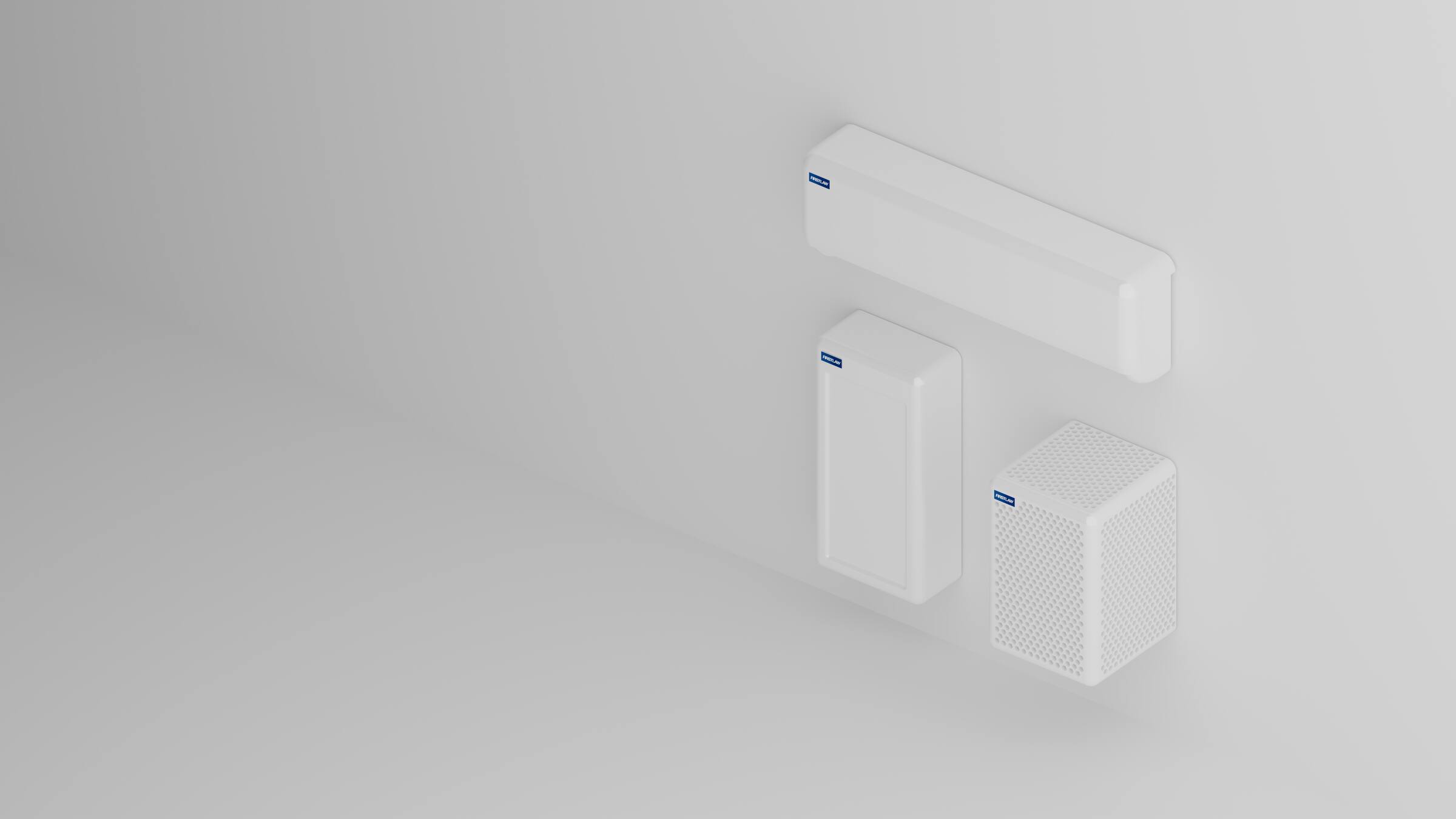
It does the job of an air conditioner, a heater and a hot water tank. It costs less to install than those three, and less to run every year.
In summer it makes hot water out of the heat an air conditioner would throw outside.
Full heating output at −30 °C. A standard split starts losing capacity below −15 °C.
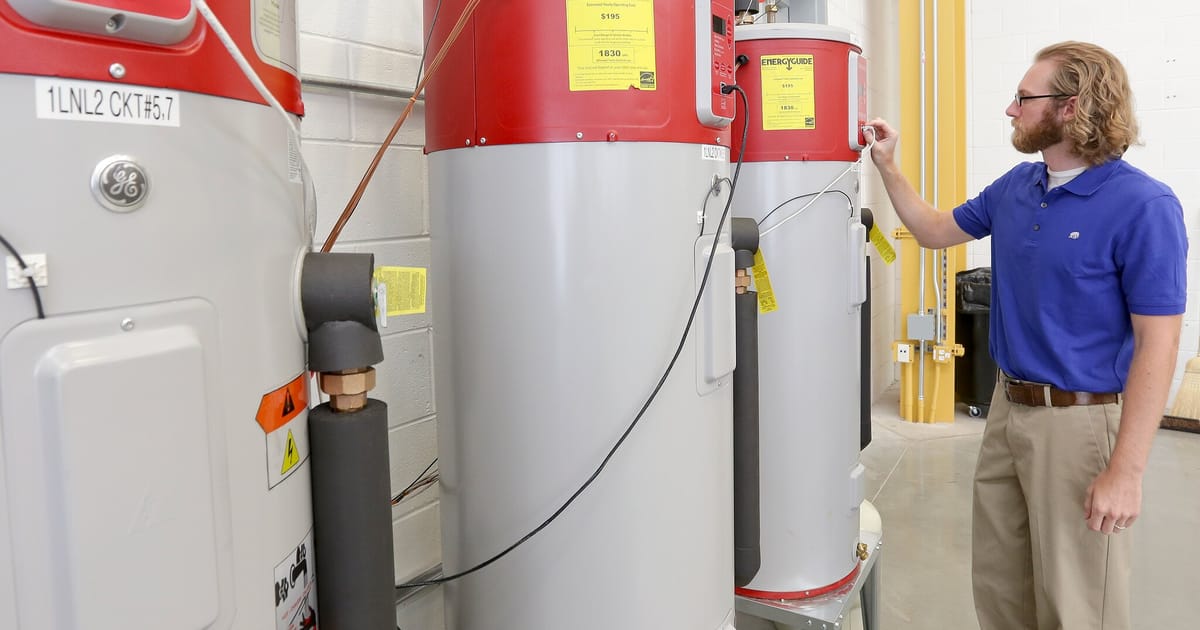
The same hot water as a 50 gallon tank, in a quarter of the space.
Per apartment on day one, before any energy saving. About C$150,000 across a 100-unit building.
Two prototypes and a patent filing. The first was tested outdoors in 2025, and the second is being assembled now.
An outdoor test rig, built to measure how much waste heat we could move into water.
Read more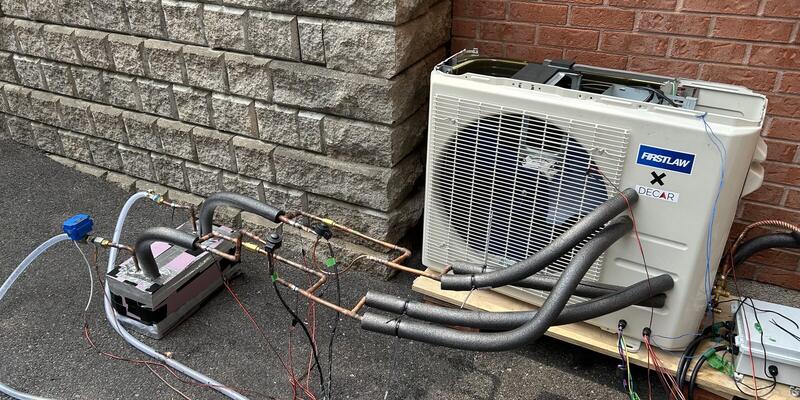
The refrigerant routing that lets one line set run four modes is now patent pending in the United States.
Read moreOur own enclosures, wiring and control board, built for the product rather than for testing.
Read more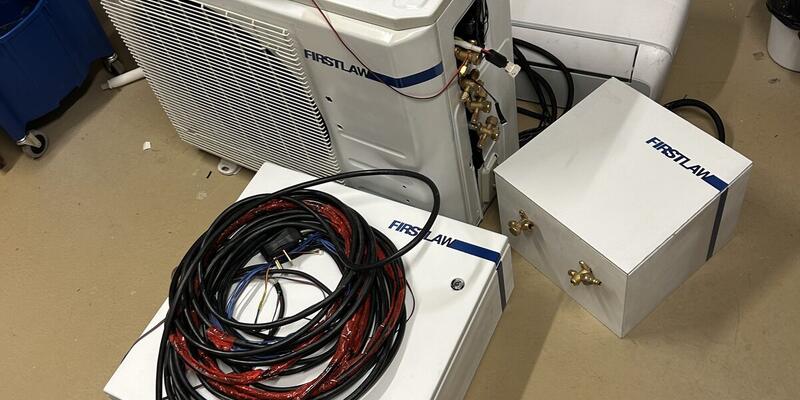
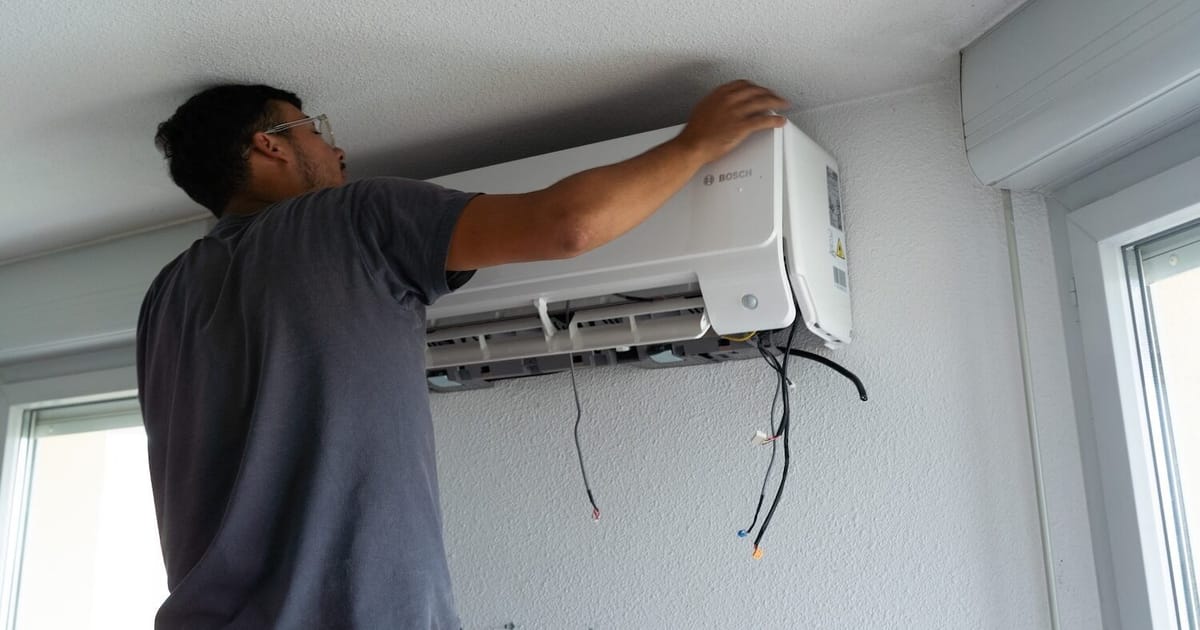
Apartment buildings are moving to electric heating, refrigerant rules are tightening and controls are improving. Here are recent articles on each.


C$7,000 per apartment, installed. That's about C$1,500 less than a separate air conditioner, heater and hot water tank, and about C$342 a year less to run.
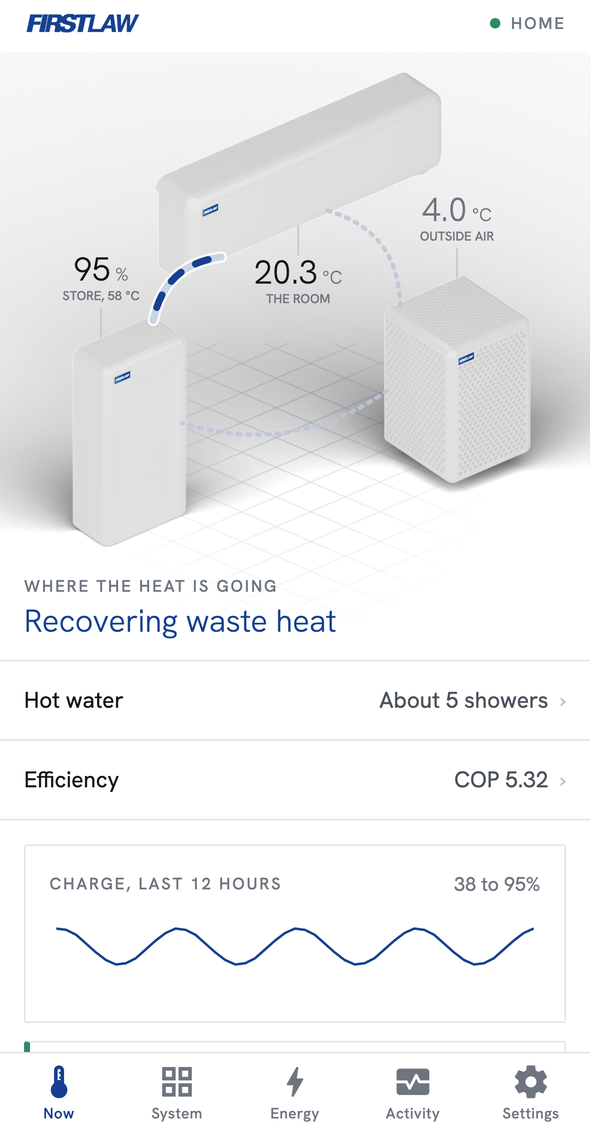
Room temperature, hot water and energy use, in one app you can check from anywhere.
See the appMinute by minute, it splits power between heating, cooling and the battery. It only needs one thermostat, so there are no extra sensors in the walls to fail.
In summer, heat pulled out of the apartment goes into the hot water rather than outside. In winter, the same hardware runs in reverse to heat the rooms.
The multi-mode refrigerant routing inside the system is patent pending in the United States, provisional application 64/090,374, filed June 2026.
The heat pump, with an EVI scroll compressor. It pulls heat from outdoor air down to −30°C.
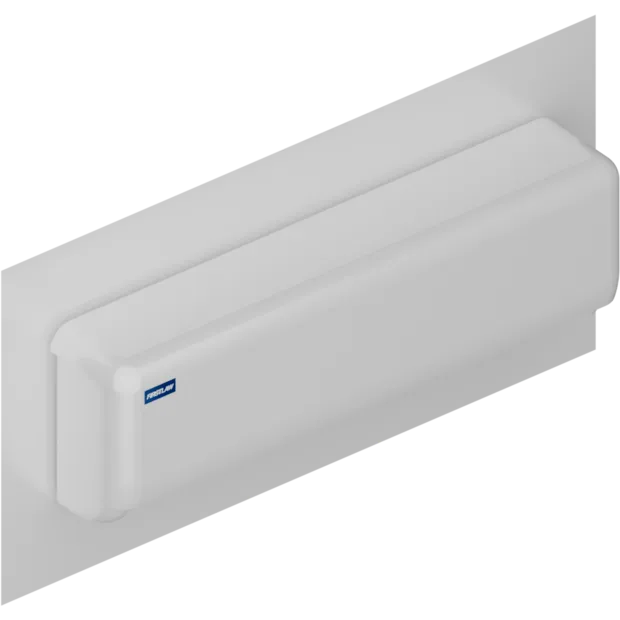
Heats and cools the apartment, on a single refrigerant line.
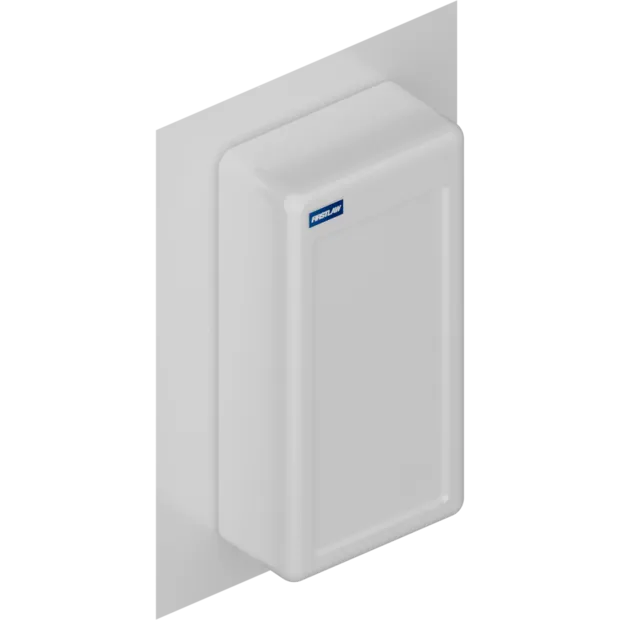
A closet-sized phase-change battery that stores heat for hot water, so there's no tank.
The first figure is yours on day one. The second comes off your residents' bills, which makes a unit easier to lease.
*These figures are an illustration only. They are produced by a simplified model from the inputs above and from average performance figures, and they are not a quote, an offer or a guarantee of savings. Build savings assume the cost model on our pricing page. Real bills depend on the building, how the system is installed, the electricity rate and how much hot water is used, and may be higher or lower than shown. Please do not rely on these numbers when making a purchase decision.