What we've been doing
So far we've built two prototypes and filed our first patent application. The first was an outdoor test rig in 2025. The second is being assembled now. Here's what each was for, with photos.
The first prototype
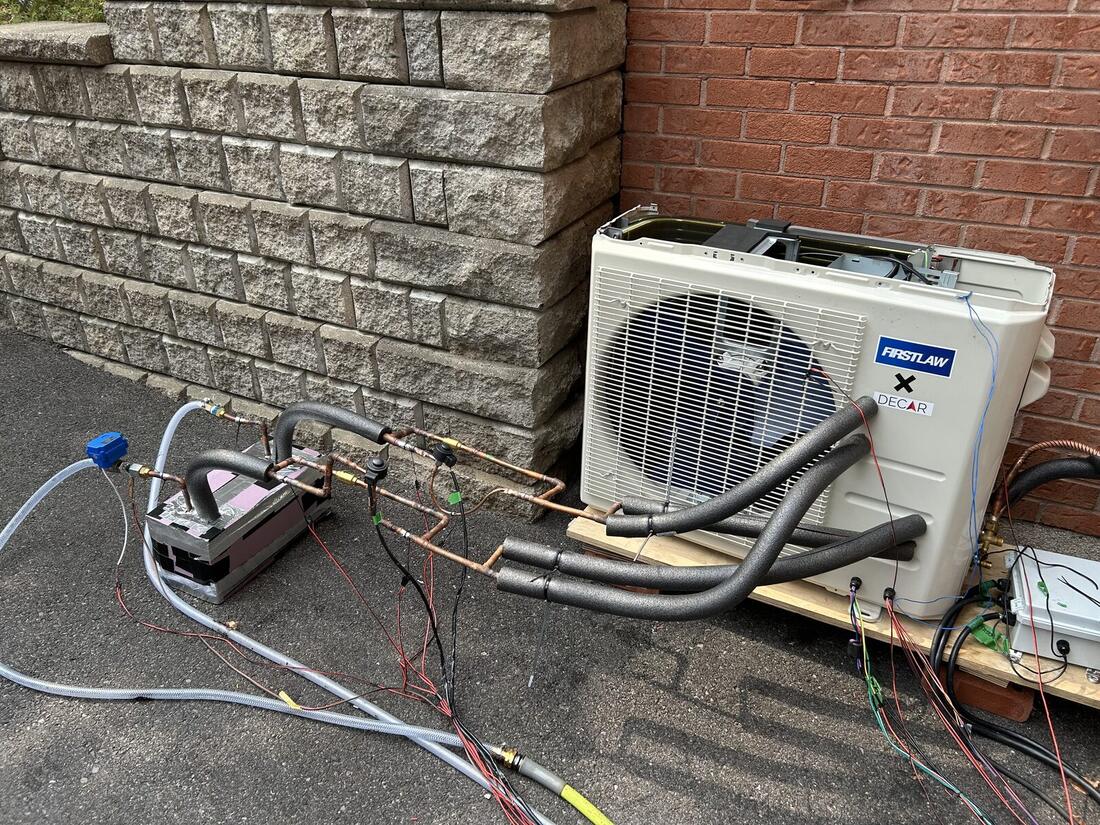
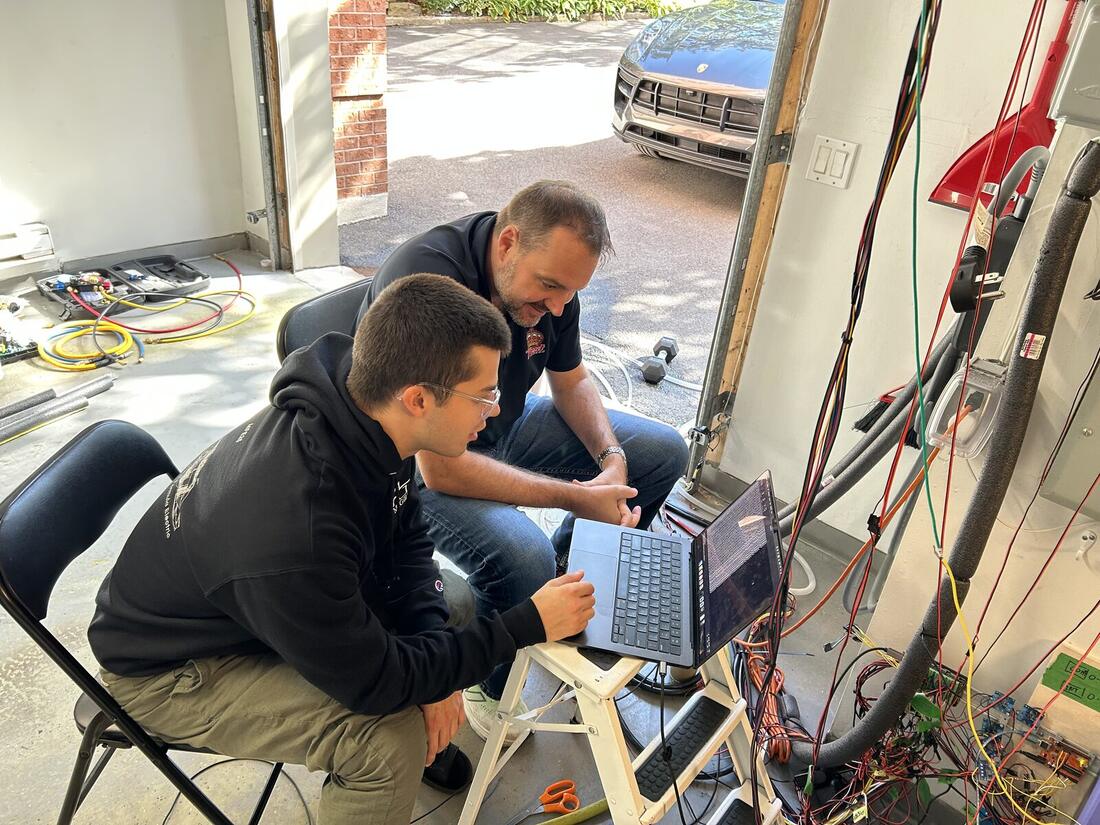
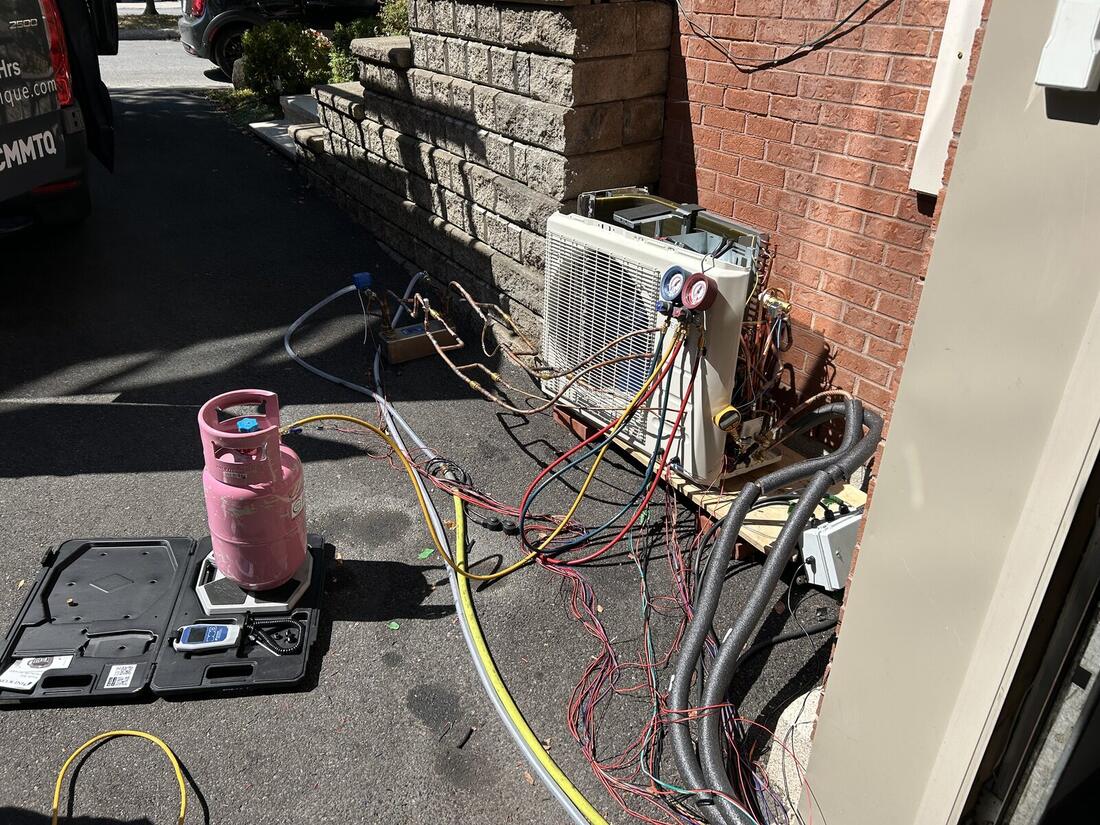
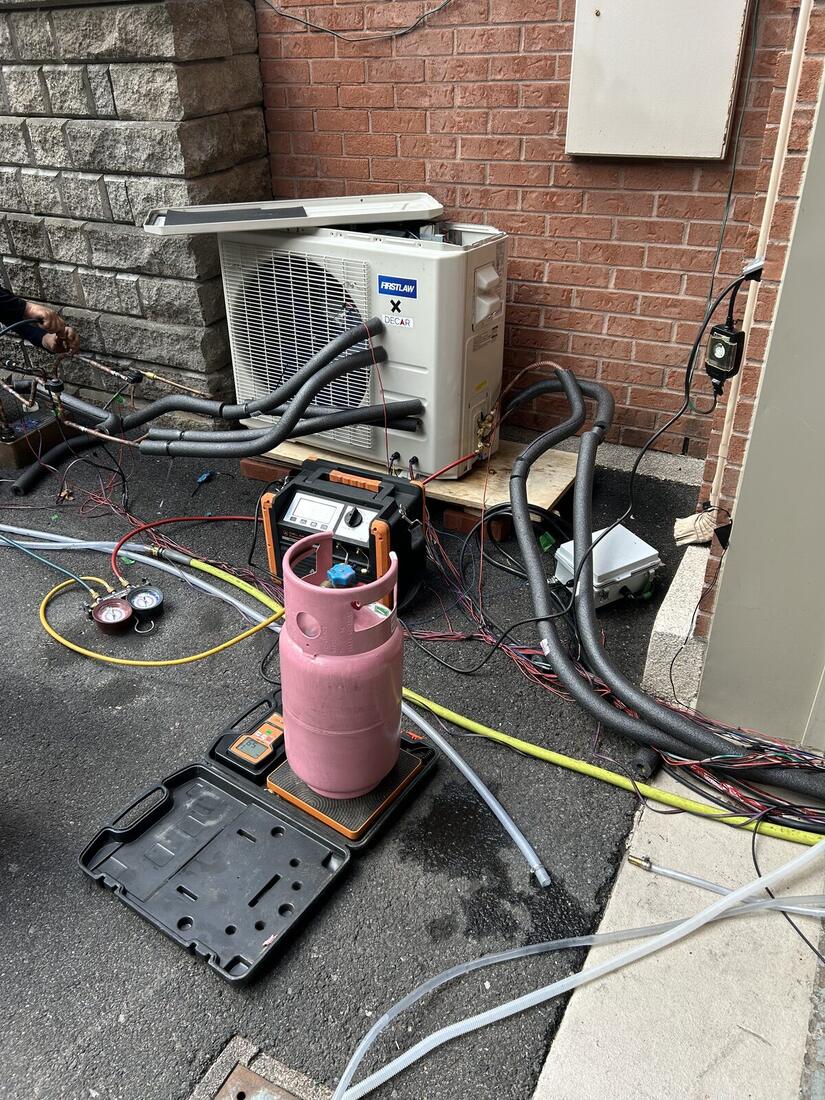
The first prototype was a test rig. We opened up a heat pump, added sensors, connected it to a test manifold and ran it on a driveway while a laptop recorded every reading.
It was built to answer one question: how much of the heat a heat pump throws away can go into hot water instead.
We filed a patent application
On 14 June 2026 we filed a US provisional patent application on the hardest part of the system to copy: the refrigerant routing that lets one line set run four modes, and sends hot discharge gas straight into the thermal store instead of through a water loop first. The application number is 64/090,374.
A provisional application sets a priority date. It isn't a granted patent, it's never examined, and we have twelve months from filing to turn it into a full application. The number above is public, so anyone can look it up.
- Application
- 64/090,374
- Filed
- 14 June 2026
- Office
- United States Patent and Trademark Office
- Title
- Heat Pump System and Method for Multi-Mode Refrigerant Routing
- Status
- Provisional, pending. Not yet examined.
The second prototype
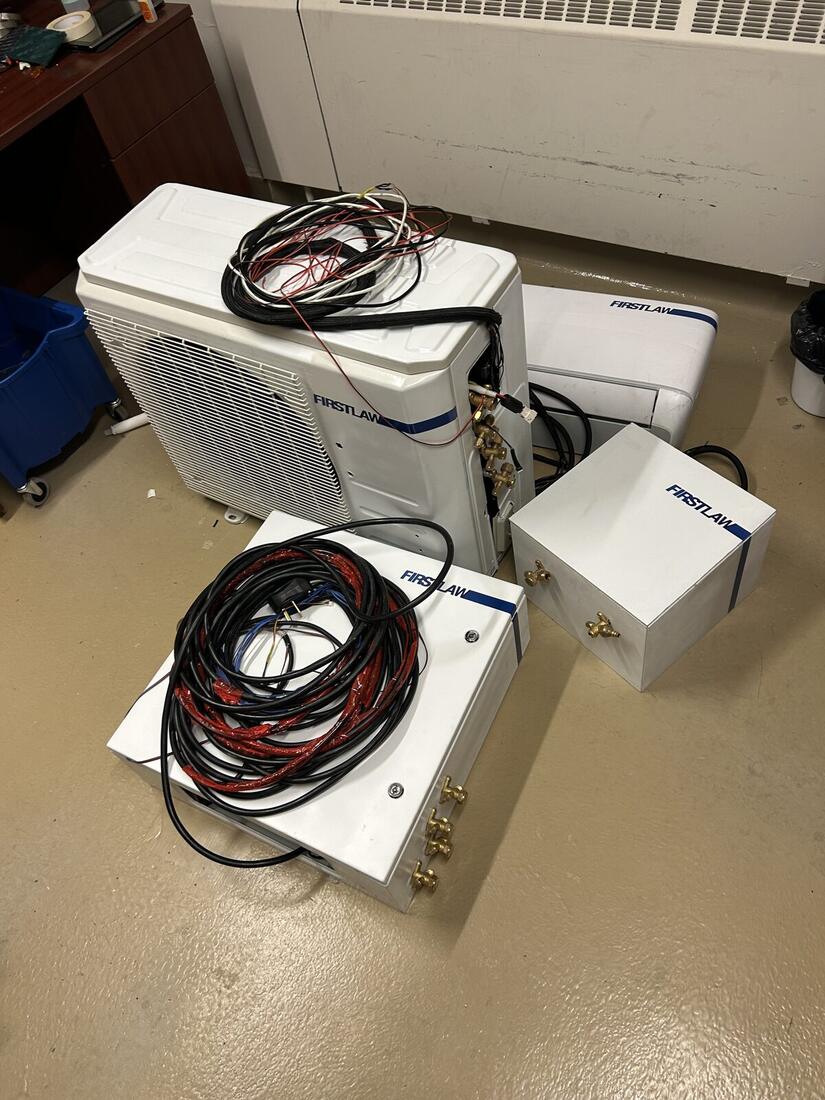
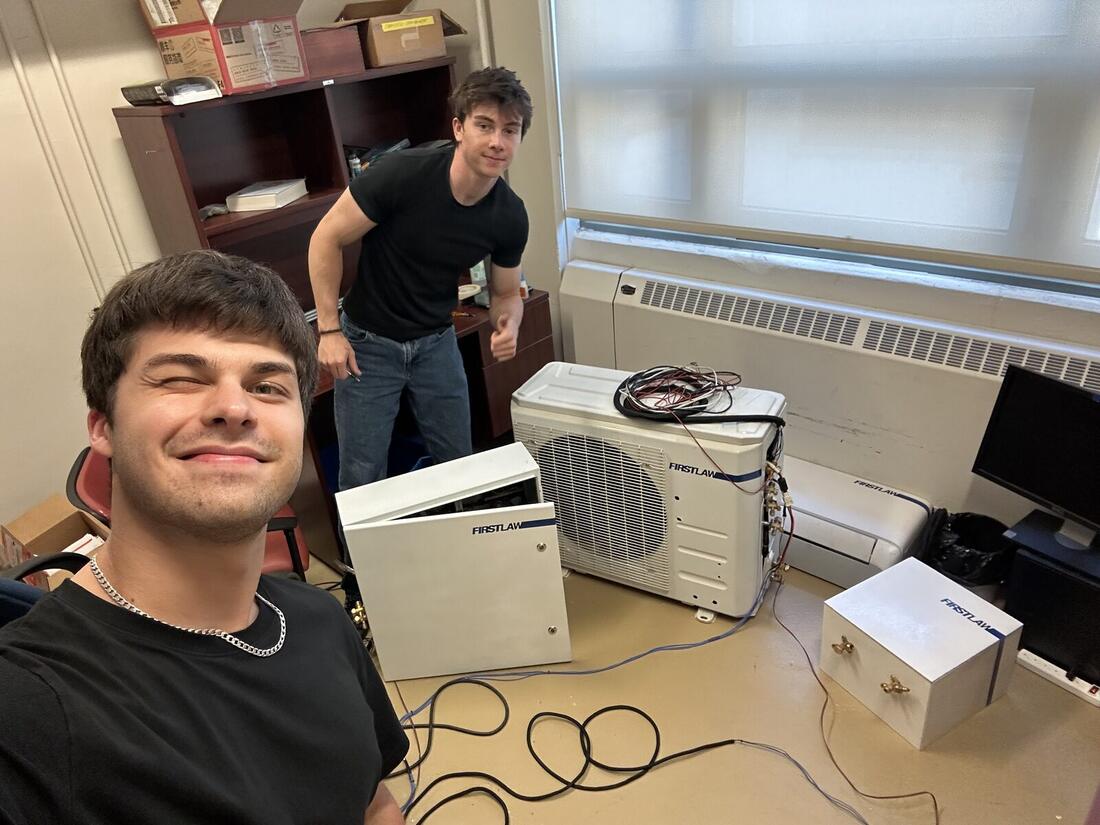
The second prototype runs on hardware we designed: our own enclosures, wiring and control board, instead of the sensors we clipped onto the first rig.
It's built to go into a real building. It's still being assembled and hasn't been installed in a home yet.